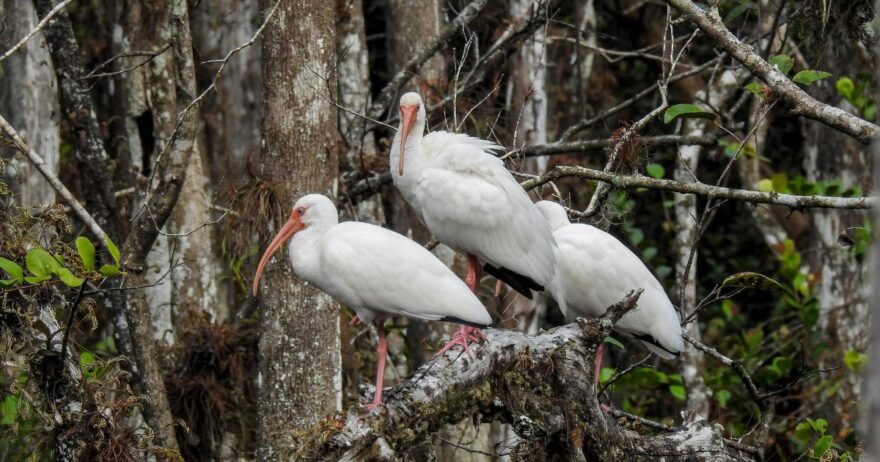
Must-See Native Birds of the Everglades: 10 Iconic Species You May Spot at Shark Valley
Visitors searching for the must-see birds of the Everglades often want to know exactly which standout species they can realistically expect to encounter on a Shark Valley Tram Tour or along the 15-mile loop. The Everglades supports more than 350 bird species, but a handful of them have become true icons. Below is a practical, on-the-ground guide to 10 signature species, complete with their scientific names, feeding habits, status, and the likelihood of spotting them at Shark Valley.
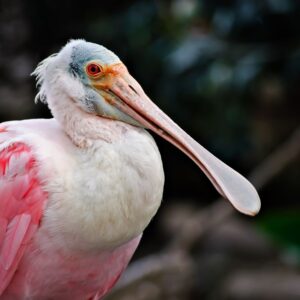
- Roseate Spoonbill (Platalea ajaja)
Status and origin:
The Roseate Spoonbill is native to South Florida’s wetlands and mangroves. Although its population has rebounded from historic declines, it currently holds a State-Threatened designation in Florida. This status signals that, despite being regularly observed in the region, it still requires long-term conservation attention.
Description:
With bright pink plumage and a spoon-shaped bill, this species is one of the most photogenic birds in the Everglades. Its movements often resemble those of a small flamingo, though the two are unrelated.
Feeding habits:
Spoonbills forage by slowly sweeping their bills through shallow water, snapping them shut when they detect small fish, shrimp, aquatic insects, and other invertebrates.
Seeing them at Shark Valley:
Spoonbills are most likely in the dry season (December through April) when dropping water levels concentrate prey. They sometimes feed in roadside pools and along sloughs visible from the tram road. (Learn why the dry season is the best time to visit the Everglades)
- Best time of day: Early mornings and late afternoons provide the most reliable activity and best light.
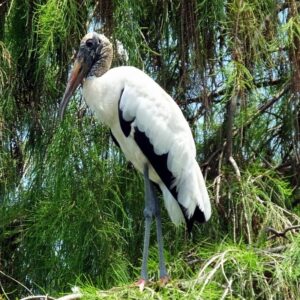
- Wood Stork (Mycteria americana)
Status and origin:
A native wading bird of the southeastern U.S., the Wood Stork is Federally Threatened. The Everglades are one of its most important strongholds.
Description:
Large and white with a scaly, featherless head, Wood Storks are unmistakable in flight, where they showcase broad black-and-white wings.
Feeding habits:
These tactile hunters feed by holding their bills open in shallow water and snapping shut when prey (fish, amphibians, or aquatic invertebrates) brushes against the inside of the bill.
Seeing them at Shark Valley:
Shark Valley is well known for Wood Stork sightings, especially in the dry season.
- Best time of day: Morning and late afternoon, when they feed or commute to roosts.
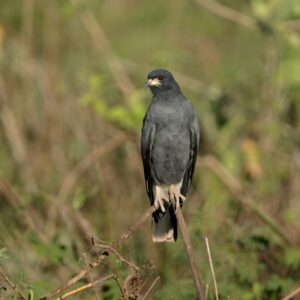
- Snail Kite (Rostrhamus sociabilis)
Status and origin:
The Snail Kite is a Federally Endangered native raptor of the Everglades, with the United States population centered almost entirely in South Florida.
Description:
Males are slate gray; females and juveniles are brown and streaked. All possess a slender, deeply hooked bill designed for extracting snails.
Feeding habits:
They specialize in eating apple snails, gliding low over marshes to spot prey just beneath the surface.
Seeing them at Shark Valley:
Shark Valley is one of the best places in the Everglades to look for this species along the tram road, especially in the dry season when snails concentrate.
- Best time of day: Snail Kites can be active at any daylight hour, but morning and late afternoon offer ideal viewing conditions.
Learn more via Shark Valley’s spotlight article on the Everglade Snail Kite.
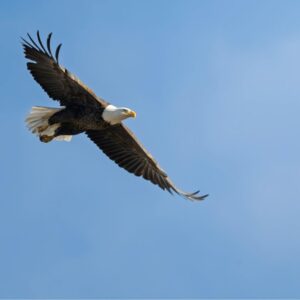
- Bald Eagle (Haliaeetus leucocephalus)
Status and origin:
A native raptor that has rebounded significantly in recent decades, the Bald Eagle remains a prized sighting across Everglades National Park.
Description:
Adults have the classic white head and tail; juveniles are mottled brown and often mistaken for large hawks until you notice their massive wingspan.
Feeding habits:
They prey primarily on fish but will also scavenge or hunt waterbirds and small mammals.
Seeing them at Shark Valley:
Bald Eagles are possible but not guaranteed at Shark Valley. They are sometimes seen soaring over the marsh, especially in the cooler months.
- Best time of day: Mid-morning to afternoon when thermals help them climb and glide.
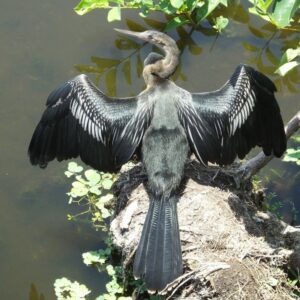
- Anhinga (Anhinga anhinga)
Status and origin:
The Anhinga is a native and abundant Everglades species. It is one of the most frequently seen birds around Shark Valley.
Description:
Long-necked and sleek, Anhingas often perch with wings outstretched to dry. Females are brown-headed; males are darker with silver shoulder patches.
Feeding habits:
They dive underwater to spear fish with their sharp bills, then surface to flip prey into the air before swallowing.
Seeing them at Shark Valley:
Extremely common—watch for them swimming like “snakes” or drying their wings on railings, trees, and canal edges.
- Best time of day: Visible all day; early morning is best for wing-drying displays.
-
Native Gallinules: Common Gallinule and Purple Gallinule
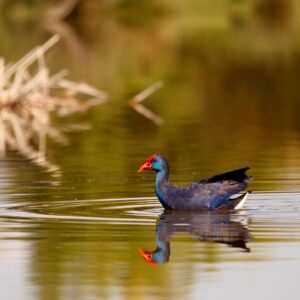
Status and origin:
Common Gallinules and Purple Gallinules are native wetland birds found in Everglades National Park. Both belong to the rail family and are part of the park’s freshwater marsh bird community.Description:
Common Gallinules are dark, chicken-like marsh birds with a red-and-yellow bill, white side markings, and long toes that help them move through wetland vegetation. Purple Gallinules are more colorful, with vivid blue, green, purple, and yellow tones, making them one of the most eye-catching birds visitors may spot in freshwater wetlands.Feeding habits:
Gallinules feed in and around marsh vegetation, eating aquatic plants, seeds, insects, small invertebrates, and other wetland foods. Purple Gallinules are known for walking across floating vegetation while foraging.Seeing them at Shark Valley:
Watch for gallinules near marsh edges, canals, roadside water, lily pads, and areas with floating vegetation. They may be easier to notice when they step out from dense plants or move across the water’s surface.- Best time of day: Morning and late afternoon are best, especially when birds are actively feeding along the edges of the marsh.
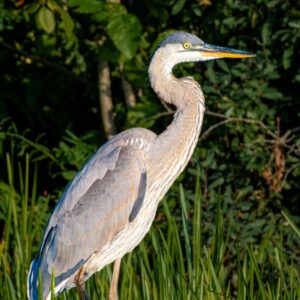
- Great Blue Heron (Ardea herodias)
Status and origin:
A widespread native species and year-round Everglades resident.
Description:
Large and elegant with blue-gray plumage, long legs, and a powerful bill suited for spearing prey.
Feeding habits:
Great Blue Herons hunt fish, frogs, small snakes, crayfish, and even small mammals, relying on a mix of stealth and swift strikes.
Seeing them at Shark Valley:
One of the most consistent sightings on the tram road.
- Best time of day: Active morning through evening; excellent for photography at sunrise or sunset.
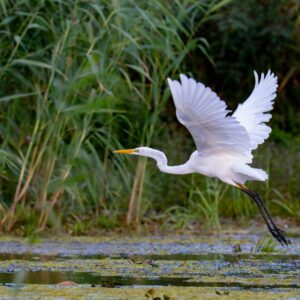
- Great Egret (Ardea alba)
Status and origin:
A native heron once hunted heavily for feathers but now widespread and stable.
Description:
Large, white, and graceful with a yellow bill and black legs.
Feeding habits:
They stalk fish, amphibians, crustaceans, and insects in shallow water.
Seeing them at Shark Valley:
Reliable, abundant, and often near the edge of the paved loop.
- Best time of day: Throughout daylight hours, especially in the dry season when fish are concentrated.
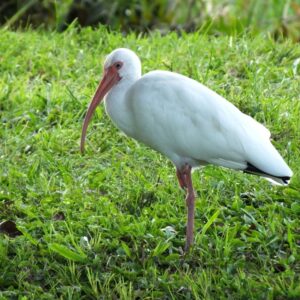
- White Ibis (Eudocimus albus)
Status and origin:
A native species and one of the Everglades’ most recognizable waders.
Description:
White body, bright red bill and legs, and black wingtips visible in flight. Juveniles appear brown.
Feeding habits:
White Ibises probe mud and shallow water for crayfish, insects, snails, and small crustaceans.
Seeing them at Shark Valley:
Common along the tram road; often seen in groups feeding beside pools or flying overhead.
- Best time of day: Any daylight hour; morning flights between roosts and foraging areas are especially impressive.
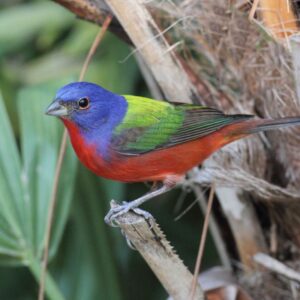
- Painted Bunting (Passerina ciris)
Status and origin:
A native songbird with a declining eastern population, particularly in Florida, due to habitat loss and trapping pressures in parts of its range. Males are vividly multicolored; females and immatures are bright green.
Description:
The male Painted Bunting looks like a living rainbow, while females are camouflaged in lime green.
Feeding habits:
They favor seeds for much of the year but also pick insects and spiders from vegetation, especially during breeding.
Seeing them at Shark Valley:
This is a bonus bird, not a reliable sighting.
- The open marsh habitat along most of the Shark Valley loop is not ideal for this shrub-loving species.
- They are more frequently seen in wooded or brushy areas of the park such as Flamingo or Mrazek Pond.
- Best time of day: Early morning in winter, still rare at Shark Valley but possible near tree islands or the visitor center.
What About Flamingos?
American Flamingos are strongly associated with Florida’s coastal Everglades, but they are not a reliable Shark Valley sighting. Visitors hoping to see flamingos are more likely to look toward coastal areas like Flamingo and Florida Bay, especially during the dry season. At Shark Valley, native gallinules, herons, egrets, ibises, Anhingas, Wood Storks, and Snail Kites are more realistic birds to watch for.
When to Visit Shark Valley for the Best Birding
Across nearly all species on this must-see native Birds of the Everglades list, several timing patterns hold true:
- Dry season (November–April) is the peak birding period. Lower water levels concentrate fish and apple snails, drawing in wading birds and Snail Kites.
- Early morning provides excellent feeding activity, ideal temperatures, and soft light.
- Late afternoon is equally rewarding, especially for wading birds, kites, and photography.
- Midday can still be productive for Anhingas, herons, egrets, and ibises, though raptors may soar higher and songbirds may quiet down.
Start planning your Everglades National Park Itinerary to mark off your own sightings! Learn more about the Birds of Everglades National Park.